

How Light Architecture Building Designs Can Improve Quality Of Life
Eons ago, maybe it didn’t matter when our original ancestors lived in dark, closed-in caves, because so much of their day was spent outside. Life in the primitive past was a matter of coming to terms with the wind, rain, snow, and cold—or, in hotter climates, the scorching sun and dry, arid conditions—because so many waking hours were spent outdoors. From caves to thatched huts to farms, people went inside when the outside work was done. Getting enough exposure to sunlight and fresh air was never a problem; it was part of the daily routine. Skylight systems? Those were the glimpses of the sky that could be seen overhead between the tree branches.
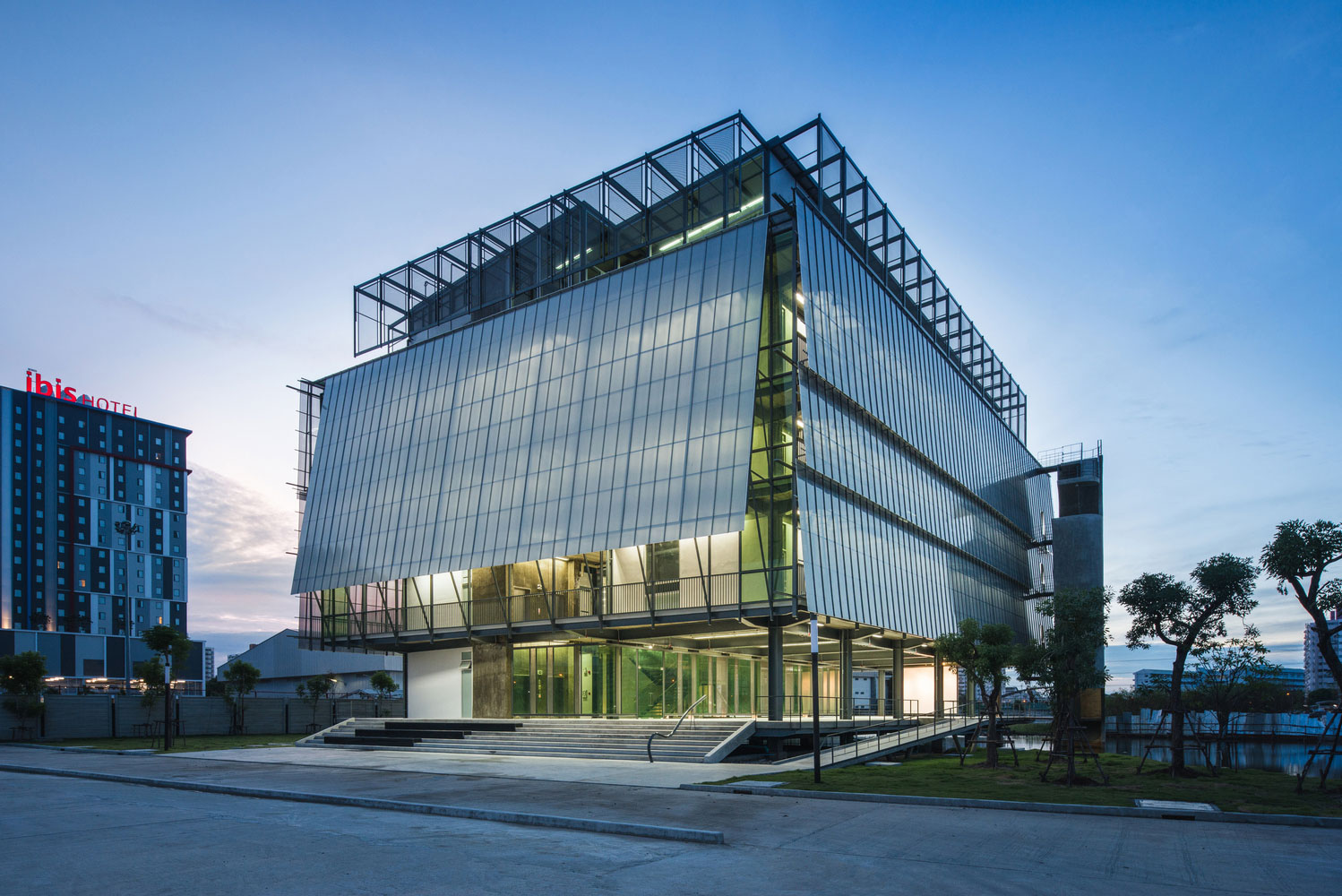
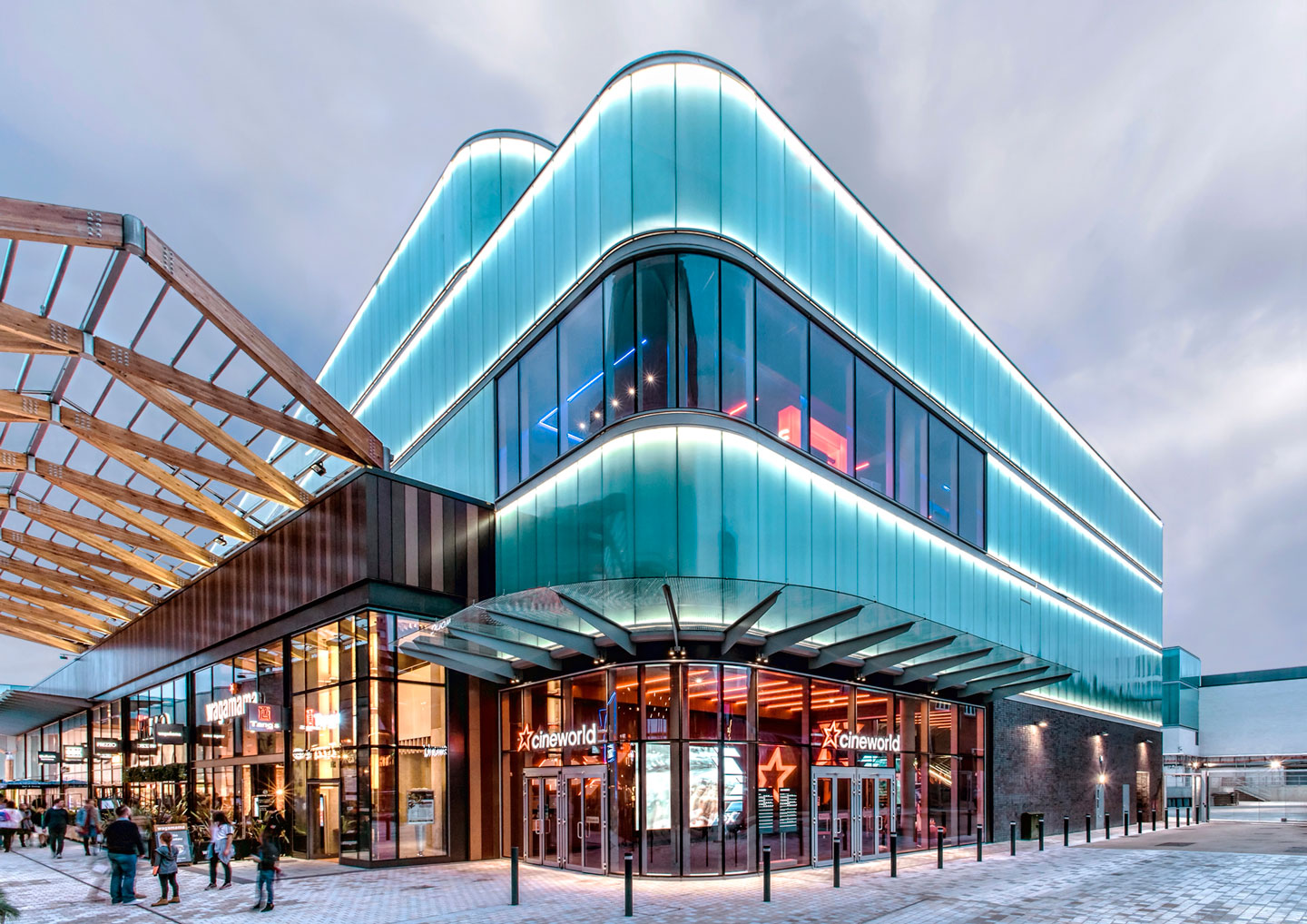
But as industrialization advanced, and more time was spent working inside in factories and mills, the ratio of hours spent outside in the natural light to hours spent in artificial light was dramatically altered. Buildings were designed to exclude the elements, including natural light. Now, however, a new perspective on architecture and light has emerged, and not a moment too soon! Light architecture has become an integral partner in the way that buildings improve well-being, increase productivity, and even promote energy efficiency! Danpal, a pioneer in daylighting architecture, has a half-century of expertise in the research and development that led to this bold innovation in building materials.
Architecture And Light In Modern Building Construction
When architects were limited by yesteryear’s building materials, they were also limited in ways to employ architectural daylighting. Stone, brick, and wood were the traditional materials used in construction. Of course, glass was used for windows and some light came into a structure that way, but glass, too, is limited, especially in comparison to polycarbonate, which is so technologically advanced that it has expanded the boundaries of light architecture.
In bygone eras, when our forebears depended upon candles and oil lamps to see inside, artificial lightning and energy conservation didn’t have much in common. Today’s consumers understand that the systems used for heating and cooling our homes and workplaces can be detrimental to the environment. The ability to include natural light into our living and working spaces makes us less dependent upon energy use.
The Sustainability Of Light Architecture
With the installation of structures that admit more natural light into indoor spaces, control of such fundamental natural elements as sunshine and shade is in your hands. You can see better because there’s more light to see with, but you don’t have to put up with annoying glare the way you do when you’re outside. Because the sunlight that comes inside provides more warmth and visibility, you’re not as dependent upon artificial light and heat. Your utility bills are lower and your carbon footprint is smaller. Good news for you, good news for the environment! Light architecture is a win-win for consumers and the planet.
Wellbeing And Health In Today’s Architecture
Today’s light architecture is nurturing something that we might want to describe as building wellness! Through the creation of designs that allow natural light to function as an innate part of the architectural plan, an architect’s building can make you feel better. If you work in a building where natural light is part of the design, you’re more productive, something that will please your bosses while nurturing the satisfaction you receive from doing your job thoroughly and well. Creativity can be enhanced with daylighting architecture; in such an environment, the work that you do can boost your sense of self-worth.
More exposure to natural light has been proven to enhance our emotional well-being by reducing depression. This renewed feeling of purpose and optimism that comes from having natural light in more of our daily lives brings us back into balance. Much is written about the need to maintain the proper work-life balance, but how can we do that if we’re cooped up in an office every day while the beauty of nature is taking place outside? With light architecture, “out there” is now “in here” and our lifted spirits reflect this holistic alternative. Even our work can become part of our wellness routine if it’s produced in a setting that enhances our connection to the natural world.
To put it simply, Danpal’s pioneering of daylighting architecture engages the construction world in a program to provide you with living and working spaces that improve your quality of life. You can perform better at work with increased productivity and derive more satisfaction from your at-home time. At the same time, your utility bills are lowered, freeing up some of your income for use in other areas. The decisions that you make concerning your home design reach far beyond the walls that surround you. You’ve also scored a victory in the ongoing battle to protect and defend Mother Earth!