


Systems

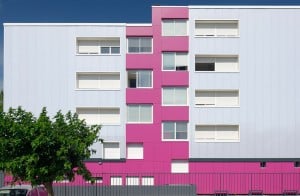


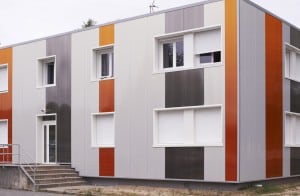
DANPAL® VRS VENTILATED RAINSCREEN SYSTEM
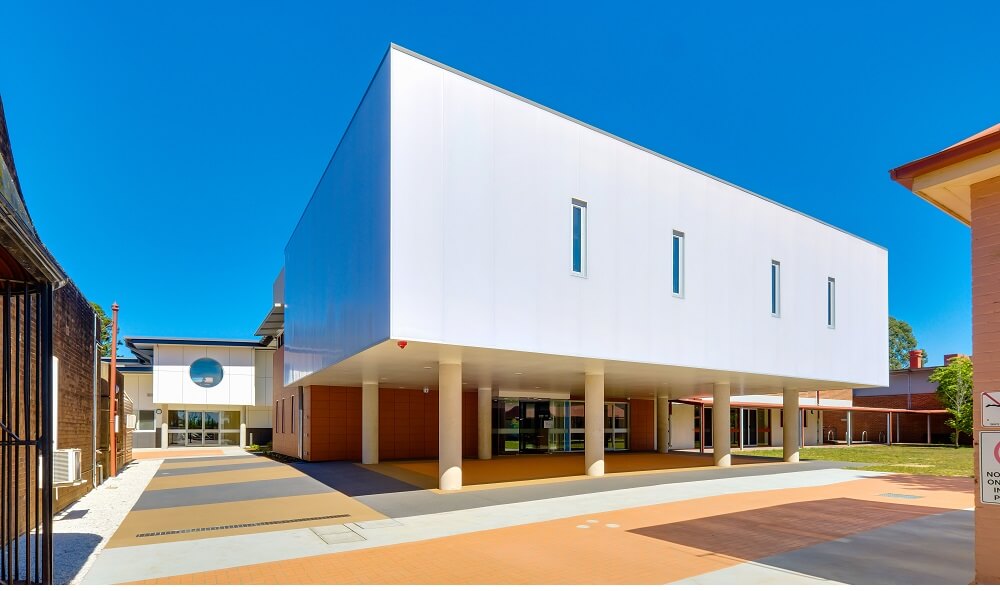
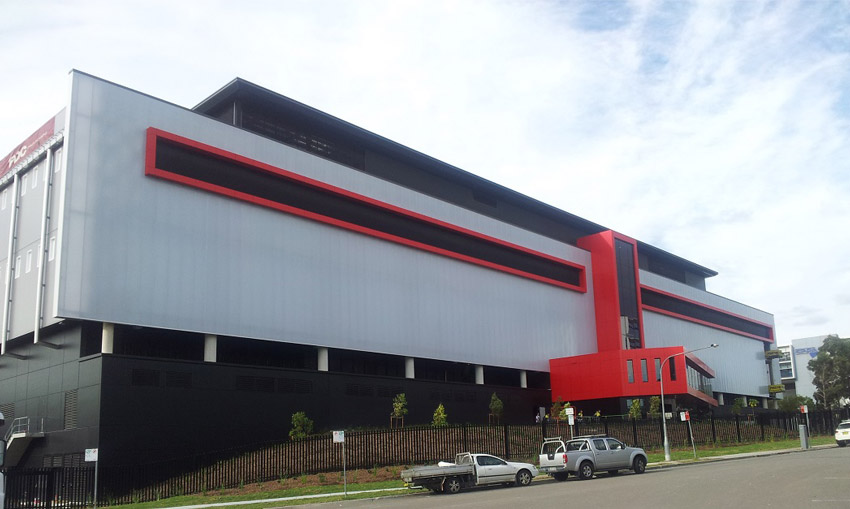
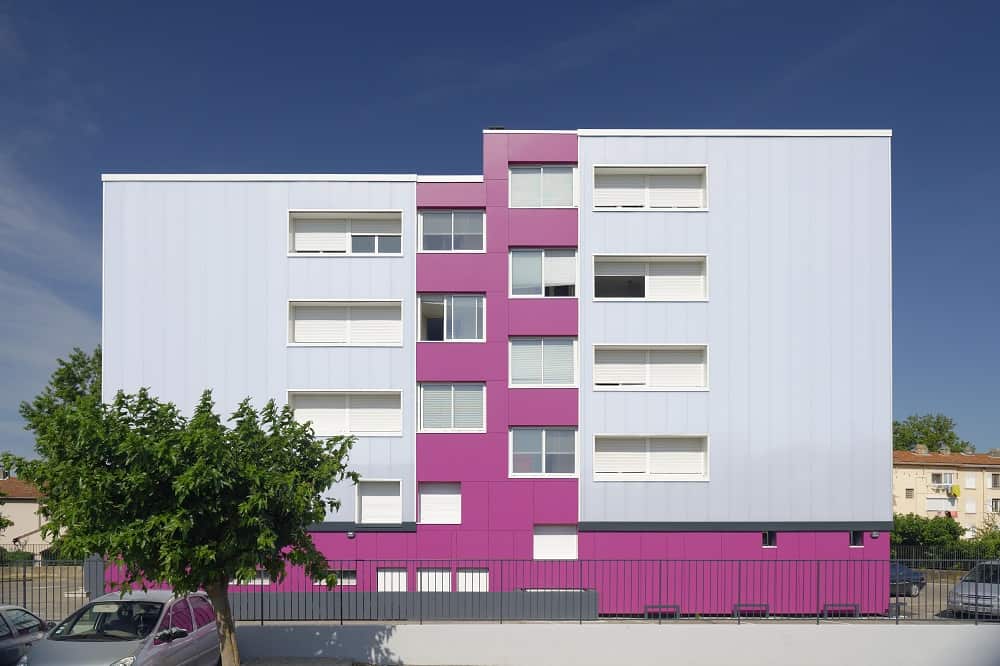
The principle of Danpal® VRS is to provide a full system incorporating the trusted Danpalon® panel that will fully protect the insulation. Based on natural ventilation by means of an air gap, the convective motion behind the panels keeps the insulation dry and maintains its efficiency through time. The double notching of Danpal®’s ventilated rainscreen cladding system panels ensures perfect water-tightness. Light but solid, Danpal®’s ventilated rainscreen cladding is made of connector-bound Microcell polycarbonate panels that are three times lighter than traditional rainscreen cladding. This ventilated rainscreen cladding system offers simple & rapid installation as connections are made directly on the support – with no need for additional supporting framed structures.
Projects


Articles

FAQ
A ventilated wall system utilizes a design where an airgap provides natural ventilation between the cladding and the supporting wall.This creates a "chimney effect"; that expels heat in summer and acts as aninsulating layer in winter. Crucially, it keeps the building's thermal insulationperfectly dry and efficient over time.
Unlike heavy, traditional opaque materials (such as metal panels or stone), a Danpal cladding system utilizes advanced Microcell polycarbonate panels that are three times lighter, reducing structural dead load and accelerating installation. Additionally, Danpal offers unparalleled design flexibility; panels can be translucent to create dynamic facades that play with light and reflections. A visual feature impossible to achieve with standard opaque rainscreen cladding, all while maintaining perfect water-tightness through exclusive double-notch technology.
A Danpal ventilated wall is comprised of lightweight polycarbonate panels, making the system quick and easy to install. Connections are secured directly to the support, eliminating the need for additional framing. The reduction in dead load offered by polycarbonate systems allows for a corresponding reduction in the density of the secondary framing and supporting steel structures, accelerating the "dry-in" phase of construction.
Under the European classification standard EN 13501-1, Danpal systems frequently achieve a B-s1, d0 rating. This classification indicates a very limited contribution to fire (B), minimal smoke production (s1), and, critically, zero flaming droplets (d0). This ensures high structural safety and compliance for modern facades.
Yes, the system offers unlimited design options showcasing various colors, textures, and prints. The panels can be translucent to play with light and reflections, or opaque for a metallic look.
Polycarbonate cladding is exceptionally durable and low-maintenance. To ensure long-term performance, panels can be equipped with an HP (High Protection) Treatment. This is an advanced surface treatment that provides protection against environmental pollution and enables higher performance in graffiti removal.