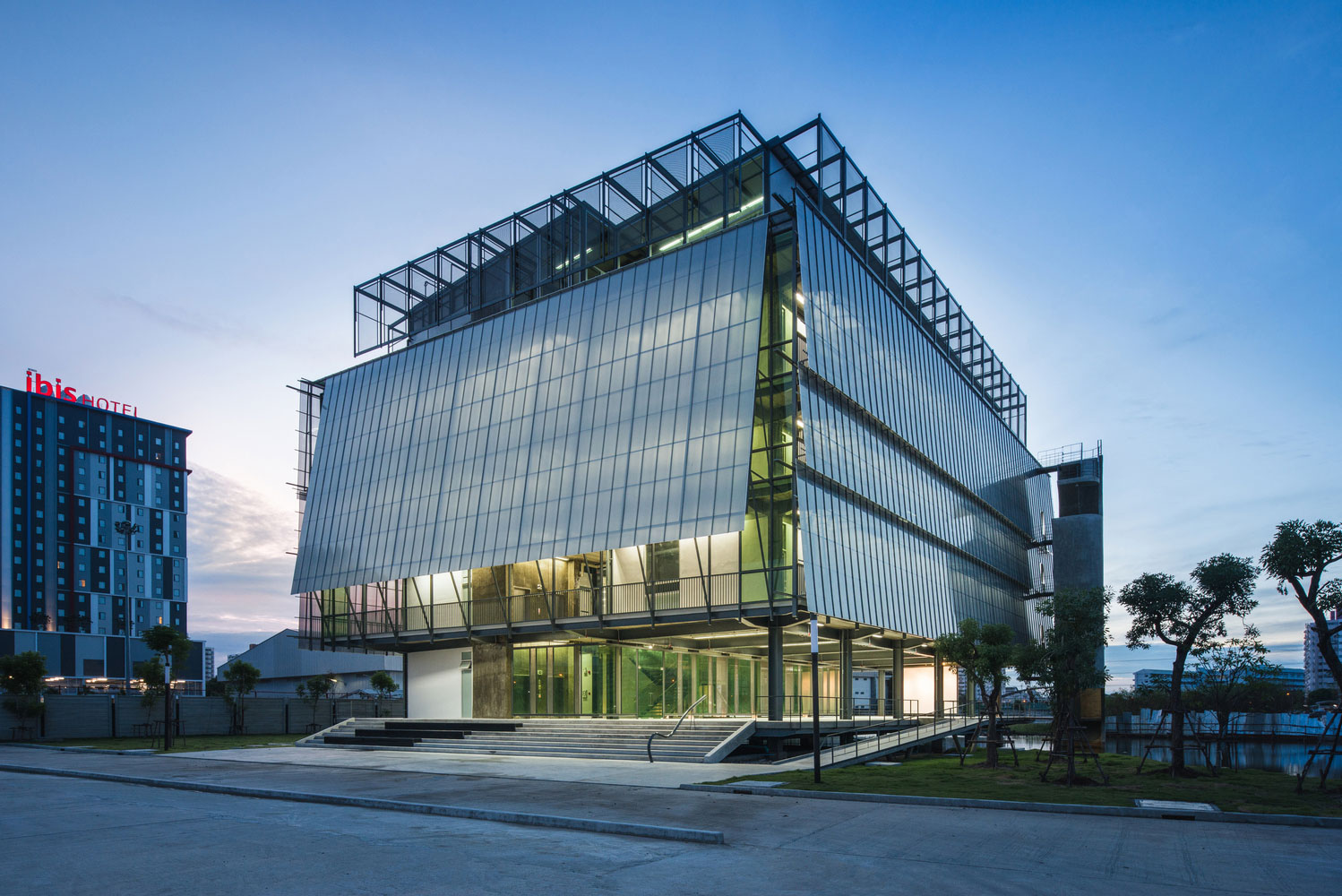
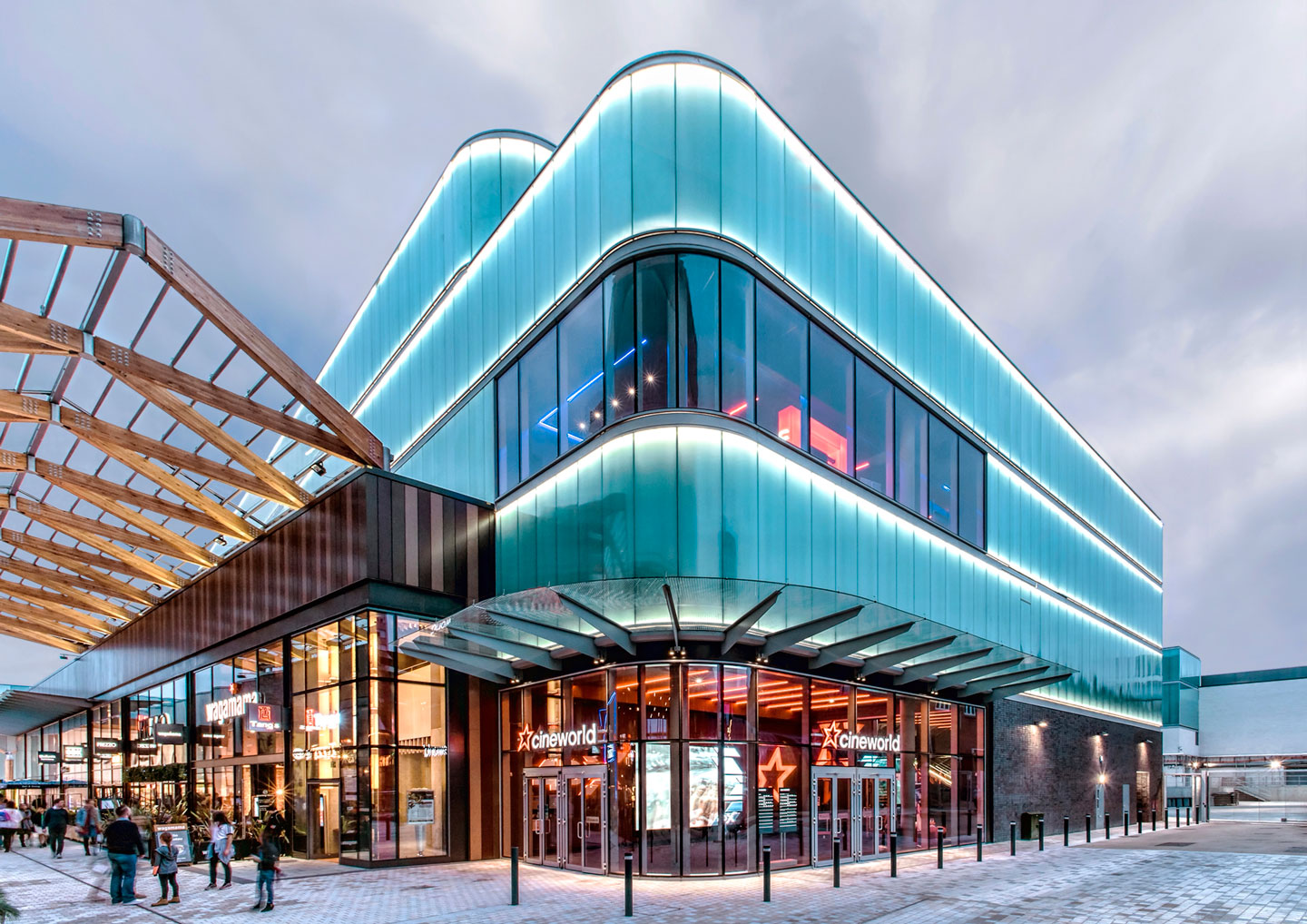
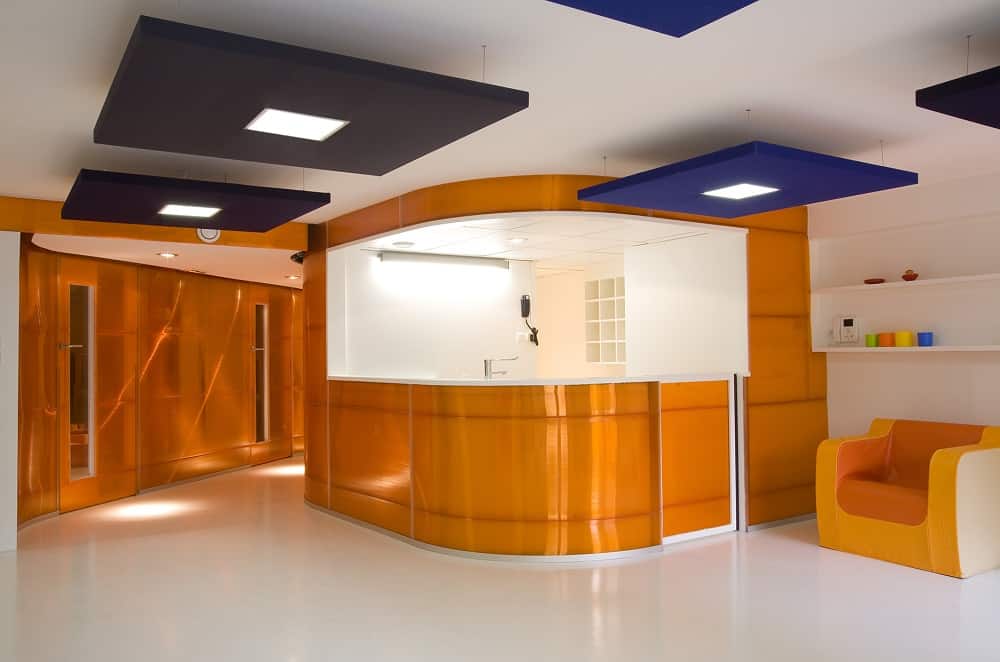
Daylighting architecture improves occupant health and productivity by introducing controlled natural light while reducing glare and solar heat gain. By integrating advanced diffuse glazing materials and dynamic shading, modern building envelopes optimize indoor environmental quality and energy efficiency.
The Physiology of Light and Occupant Well-Being
Natural light is a critical biological necessity, not merely an aesthetic choice. On average, modern humans spend about 87% of their lives inside enclosed spaces, which disconnects them from natural light-dark cycles. This prolonged detachment can disrupt the body’s internal circadian rhythm, leading to sleep issues and daytime fatigue.
Controlled natural light supports occupant health and productivity in several key ways:
- Circadian Synchronization: Natural light wavelengths between 460 and 480 nm stimulate specialized retinal ganglion cells (ipRGCs), regulating the daily production of cortisol (for alertness) and melatonin (for sleep).
- Reduced Eye Strain and Headaches: Landmark ergonomic research indicates that controlled access to natural light in office spaces reduces eye strain by 51%, headaches by 63%, and daytime drowsiness by 56%.
- Better Sleep Quality: Office workers exposed to natural daylight during the day sleep an average of 46 minutes more per night, enhancing long-term wellness and performance.
- Standard Compliance: These biological benefits are recognized by the WELL Building Standard v2 (Feature L03), which sets minimum light thresholds using Melanopic Equivalent Daylight Illuminance (melanopic EDI) at vertical eye-level planes to ensure healthy indoor environments. Danpal’s systems, evaluated alongside the company’s Smart Energy Simulator, provide architects with the tools required to meet these WELL v2 benchmarks.
The Glare Challenge and Traditional Glazing Limits
Introducing natural light into workspaces can be challenging due to glare and thermal discomfort. Conventional untreated glazing transmits direct solar radiation (Direct Beam), which can raise glare levels beyond a Daylight Glare Probability (DGP) of 0.40—a threshold defined as severe and disturbing.
- The Contrast Problem: Direct sunlight creates sharp contrast between bright and shaded zones, making digital screens difficult to read.
- The Shading Paradox: To manage this discomfort, occupants often pull opaque blinds. This action blocks all natural light, negating daylighting benefits and forcing reliance on artificial lighting.
- The Role of Diffuse Glazing: An effective solution is incorporating smart diffuse materials. Rather than blocking daylight, these materials scatter light evenly, distributing it deeper into the interior without creating localized hot spots or glare.
Danpal’s Technologies for Light and Glare Management
Danpal offers engineered daylighting systems designed to optimize natural light transmission while managing glare and heat load:
- Danpalon® Microcell Panels: Manufactured with a unique extrusion technology, these panels feature up to ten times more cells than standard multiwall sheets on the market. The tight cell structure delivers an optimal combination of translucency, high impact resistance, and a superior quality of diffused light.
- Softlite® Finish: This permanent 100% matte finish is co-extruded into Danpalon® panels of any thickness or color to significantly reduce the “neon effect” and help minimize glare. Its performance is independently validated by the CSTB to provide maximum visual comfort regardless of the building’s orientation.
- Controlite® System (Smart Active Daylighting): This system utilizes rotating internal louvers that adjust dynamically to the sun’s angle.
- Solar Heat Control: Controlite® is designed to block up to 93% of solar heat in its fully closed position, with average summer performance demonstrating an 80% reduction in solar heat gain compared to traditional untreated glazing.
- Transmission Ranges: It manages light transmission (LT) from 37% (open) to 5% (closed), with a Solar Heat Gain Coefficient (SHGC) of 0.40 to 0.18. When combined with a Softlite® finish, LT adjusts from 25% to 5% and SHGC from 0.35 to 0.17.
- Acoustics & Weight: The system provides 27 dBA of acoustic insulation and weighs 14.5 kg/m² including the frame.
- 3DLite® System (Cost-Effective Passive Daylighting): A static 22 mm thick, 600 mm wide panel featuring integrated, alternating transparent and opaque louvers. It optimizes daylight by letting in low-angle morning and afternoon sun while blocking harsh, overhead midday sun. It offers a light transmission (LT) range of 4% to 25% depending on the panel color and solar angle, alongside a thermal insulation U-value of 1.75 W/m²°C.
Part D: Engineering Performance and Compliance
In addition to visual comfort, Danpal’s integrated building envelope systems are engineered for structural durability, sealing, and regulatory compliance:
- Structural Efficiency: Polycarbonate is lightweight and has up to 250 times the impact strength of standard glass, offering excellent protection against hail while minimizing structural framing requirements.
- Thermal Insulation: When integrated into a Danpatherm® K12 double-skin system, factory-assembled cassettes with translucent insulation can contribute to U-values as low as 0.52 W/m²K, while K7 configurations can achieve U-values of 0.72 W/m²K.
- Water Tightness & Fire Safety: Utilizing a mechanical “double click” standing seam connection, the system is designed to provide excellent waterproofing without relying on wet adhesives or silicones that degrade over time. Furthermore, the systems carry a certified Euroclass B-s1, d0 fire classification according to European standard EN 13501-1.
Glazing Material Performance Comparison
| Performance Metric | Danpalon® Microcell (with Softlite®) | Conventional Untreated Glazing | Standard Multiwall Polycarbonate |
|---|---|---|---|
| Glare Control & Diffusion | Excellent: Matte finish diffuses light evenly and helps minimize glare. | Variable: Transmits direct light; typically requires internal or external shading. | Moderate: Prone to concentrated hot spots without custom finishes. |
| Impact Resistance | High: Highly resistant to heavy wind loads, vandalism, and hail. | Variable: Susceptible to cracking or shattering depending on lamination and tempering. | Moderate: Rigid, but lacks premium architectural standing seam protection. |
| Structural Weight | Very Low: Lightweight panels minimize secondary steel requirements. | High: Heavy weight requires robust structural framing. | Low: Lightweight, but requires more frequent support without joint connectors. |
| Thermal Insulation (U-Value) | Excellent: Contributes to U-values down to 0.52 W/m²K in Danpatherm® systems. | Highly Variable: Requires specialized low-E coatings or multi-glazing to insulate. | Moderate: Solid insulation, but vulnerable to thermal bridging at joints. |
Frequently Asked Questions
How can architects achieve soft, glare-free natural light without heavy exterior shading?
Specifying Danpalon® Microcell panels with a co-extruded Softlite® finish is a highly effective solution. The 100% matte finish scatters light multidirectionally, helping to minimize glare and the “neon effect” while maintaining comfortable light transmission.
What are the primary advantages of Danpalon® polycarbonate compared to traditional glass?
Danpalon® is lightweight and has up to 250 times the impact strength of standard glass, protecting against hail. It diffuses daylight evenly without hot spots, and when integrated into a Danpatherm® K12 double-skin system, it contributes to U-values as low as 0.52 W/m²K.
How does the Controlite® system balance solar heat gain and natural daylighting?
Controlite® uses rotating internal louvers that adjust dynamically to the sun’s angle. In summer, it can block up to 93% of solar heat in its fully closed position, dropping light transmission from 37% to 5% and reducing the Solar Heat Gain Coefficient (SHGC) from 0.40 to 0.18.
How does controlled daylighting biologically benefit building occupants?
Natural daylight stimulates ipRGC photoreceptors, which synchronizes the master biological clock. It suppresses daytime melatonin, promotes cortisol for alertness, and is shown to reduce headaches and eye strain while improving nighttime sleep.
What fire safety standards do Danpalon® panels meet for commercial projects?
Danpalon® panels comply with strict building safety codes, carrying a reaction to fire classification of B-s1, d0 according to European standard EN 13501-1, indicating flame retardancy and minimal smoke.