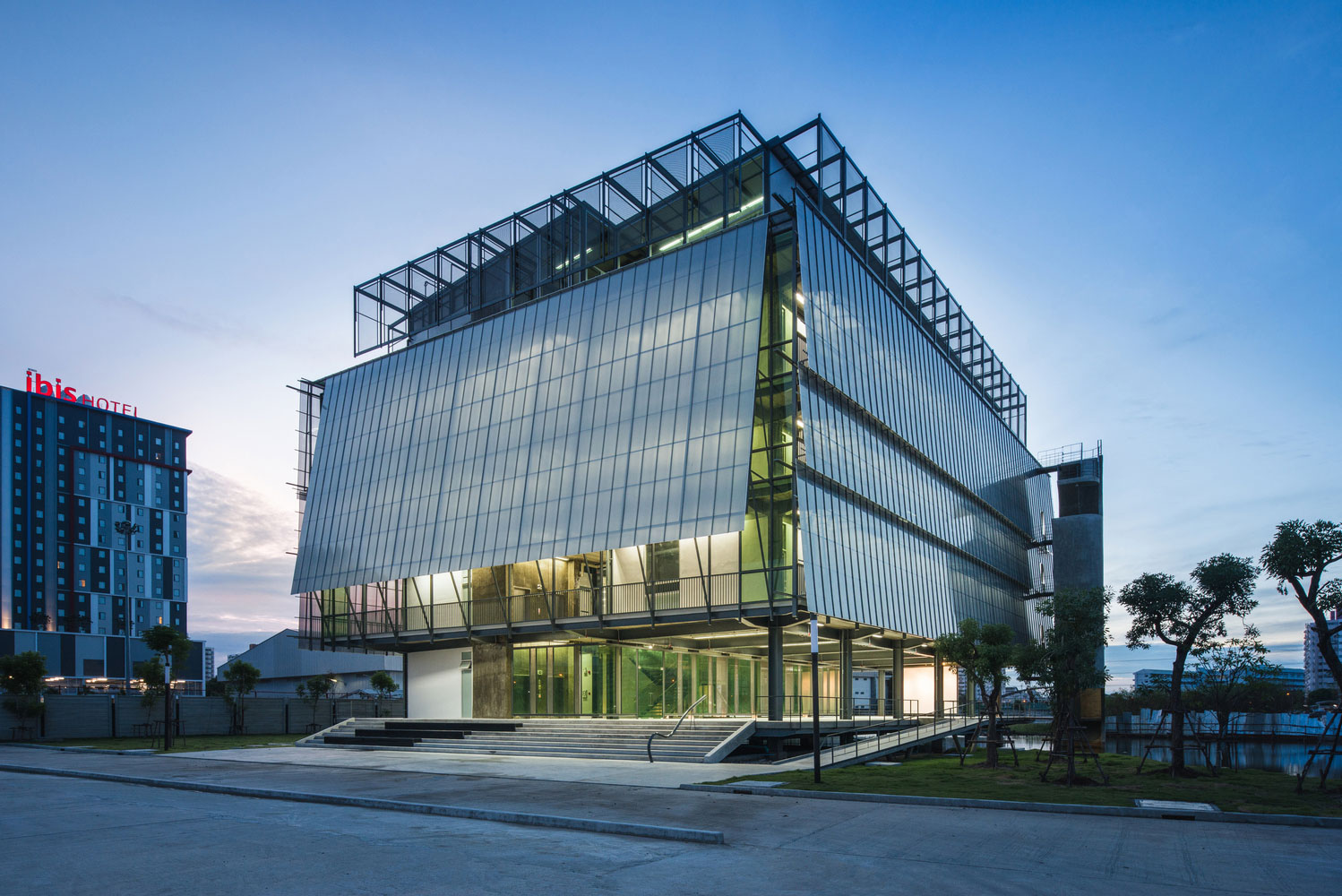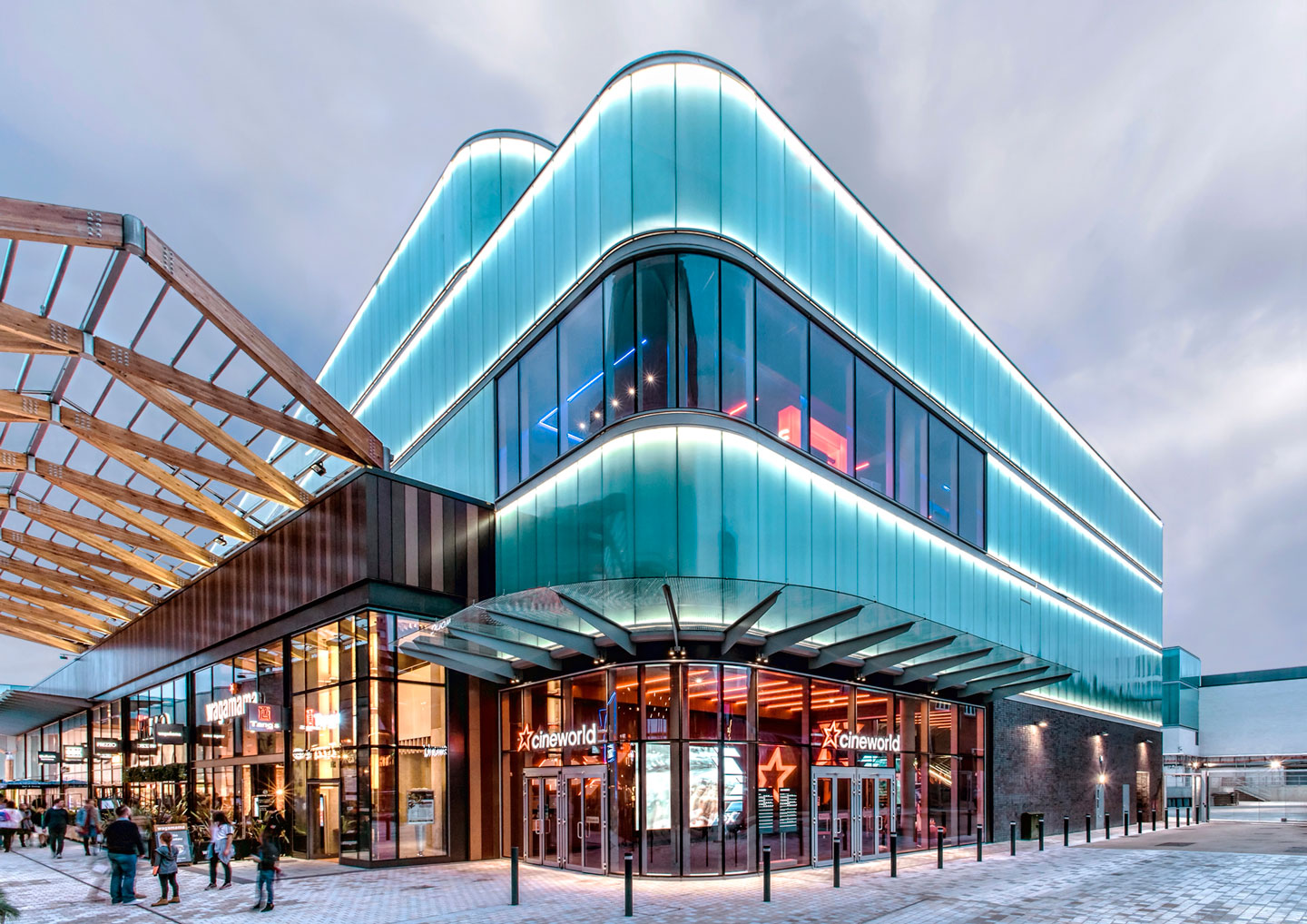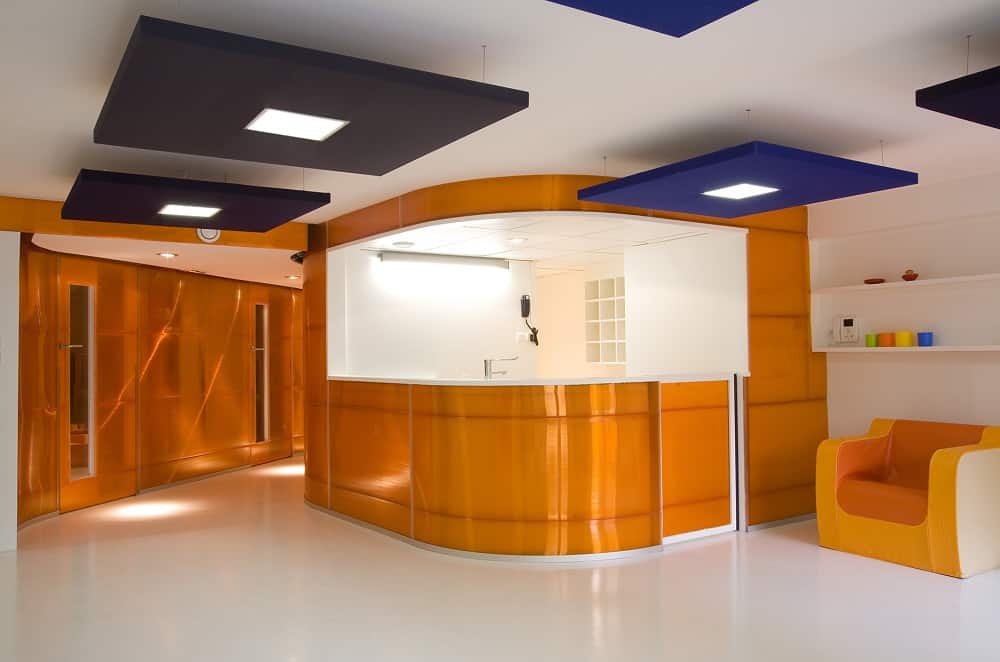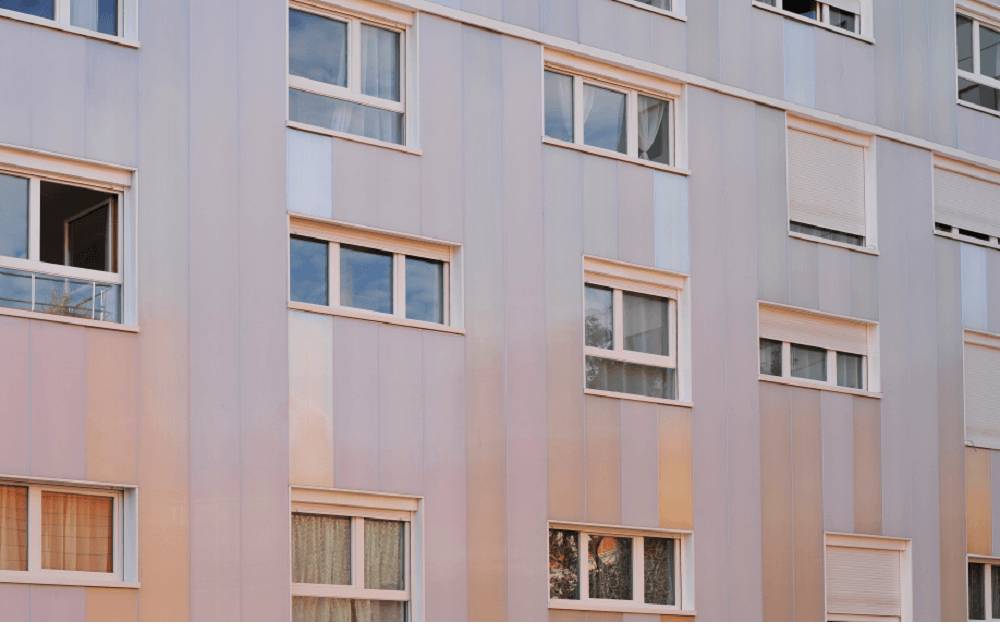


If floors, a roof, and walls were all that were needed to build a suitable structure, there would be no need to consider the different types of cladding that perform a special function in architectural design. However, buildings have an esthetic purpose as well as a designated function. We understand more about the role that the different types of cladding systems play as we learn about them. Cladding is the protective layer that covers a building’s exterior wall. Thanks to cladding, buildings are shielded from the harsh weather elements. Interior insulation is protected from moisture which preserves the longevity of the structure as well as improves its energy efficiency. The external appearance of a building has a dramatic effect on the look of the neighborhood and the impression it makes on passers-by. There are many different manufacturers of building products, but Danpal stands out from the competition. That’s because our cladding systems are completely waterproof; lightweight; cost-effective; easy to install; offer a dazzling range of choices of color and design; and support the environment;
Examining The Different Types Of Cladding
There is no shortage of choice when it comes to selecting the cladding that best suits your building’s needs and the appearance that you want it to have. Glass has been around a long time and yet can convey a contemporary look to a structure. Natural light, which is always a popular addition to interior space, is easily transmitted through glass while still sheltering the occupants from the weather outside.
There are some obvious disadvantages to glass among the different types of cladding systems. Not only is it more expensive as a building material, but maintenance and repair costs can mount, particularly if the building is located in an area prone to extreme weather, including earthquakes.
Wooden cladding evokes a particular image that’s especially inviting if you’re seeking a traditional appearance for your structure. Oak, redwood, and cedar are more durable and that’s one of the reasons, in addition to their visual appeal, why they’re among the more popular types of cladding. If wood is your preferred choice, be sure to factor the cost of essential maintenance into your building budget if you want the wood cladding to last long.
What Types Of Cladding Systems Have More To Offer
Performance, esthetic appeal, and energy efficiency: these are three priorities for today’s consumers when they’re deciding on what types of cladding to consider. Danpal has put its business motto, Global Vision, Local Focus, to work in manufacturing building materials that reflect these priorities across the five continents where the company has a business presence. A Danpal® Wall Cladding System employs natural ventilation thanks to an air gap which, because it keeps the insulation dry, helps maintain energy efficiency. Made of Microcell polycarbonate panels, Danpal produces cladding systems that offer superior impact resistance. The variety of colors that Danpal offers gives a building’s exterior a breathtaking visual appeal. In addition, these types of cladding from Danpal are easy to install on any type of façade because the connections, which can be made directly on the support, don’t need additional support structures, saving time and money.
Some Of The Advantages of Danpal Rainscreen Cladding Systems
Danpal’s rain-screen cladding has an external layer attached to the structure; the purpose of the outer layer is to keep rain and moisture from penetrating the building. The inner layers of the cladding support thermal insulation.
One of the key features of rain-screen cladding is the presence of an air cavity between the cladding material and the load-bearing wall. The air cavity between the load-bearing wall and the cladding prevents moisture from building up and makes this translucent wall system more durable. This cavity allows for ventilation, which helps prevent moisture buildup and improves the overall durability of the cladding system. Protecting insulation is vital for the building’s longevity, but this also affects the building occupants. Insulation that is compromised by moisture can contribute to allergies and to respiratory ailments such as asthma.
The durability of Danpal rainscreen cladding contributes to the long life span of the building exterior by preventing cracks from forming. Enhanced energy efficiency is a result of the system’s impressive thermal insulation. Last, but certainly not least, is the appeal of the rain-screen cladding’s appearance which contributes to the esthetic success of the structure.
We hope that we’ve provided you with a solid overview of the different types of cladding and what you should expect from your choice. Different architectural designs will suit different cladding choices, but no matter what choice you make, you should be confident that your cladding is durable, waterproof, attractive, and easy to maintain. Selecting the style of cladding that’s right for your building type and the neighborhood, whether commercial or residential, in which your structure is located, won’t be a boring task. Especially with a Danpal cladding system!