




When making decisions about a building, selections of style and color often dominate the design process. And yet, one of the most important decisions to be made in the planning stages may not get the attention that it should. How will you protect the insulation in your building so that moisture from rain and snow doesn’t invade the inside of a structure? This vital decision affects the energy efficiency of a building, the health, and wellbeing of those insides, and even the life span of the structure itself. Making the right decision on wall cladding can avoid the problems that result from damp insulation.
DANPAL’S VENTILATED RAIN-SCREEN SYSTEM: WALL CLADDING AT ITS BEST
Danpal’s Ventilated Rainscreen System or VRS protects insulation completely. With natural ventilation that’s based upon the built-in air gap, the convective motion behind the panels keeps insulation moisture-free. The cladding panels are double-notched and watertight. Made of connector-bound microcell technology, the polycarbonate panels are three times lighter than traditional rainscreen cladding. Our customized panel lengths range from the standard 12.0m to longer, depending on your preference and the design of the building itself. Because the connections can be made directly onto the support, there’s no need to use additional supporting framed structures. VRS is light, it’s solid, and it keeps your building’s insulation dry.
 WALL CLADDING AND BUILDING HEALTH
The condition of the insulation in a building possesses enormous control over a building’s well-being. Damp insulation that’s been compromised by moisture caused by rain and snow affects the energy efficiency of a building. If the temperature in the home or workplace isn’t consistent and needs to be constantly adjusted to adapt to the cold or heat outside, your energy may be escaping. This will cause your utility bills to increase because you’re paying for energy that you aren’t using. It also takes its toll on the environment, because wasted energy works against the efforts that we’re all making to reduce our carbon footprint as we strive to alleviate the climate stress that the planet is currently facing.
There’s a human element at risk as well when insulation is no longer dry. Moist, damp insulation is a breeding ground for mold and mold can have a very serious impact on the health of a building’s occupants. If mold is growing in your building, people with respiratory ailments may find that their asthma or allergies are worsening.
Damp insulation is an indication that the building is not free from leaks caused by moisture and a leak that goes undetected can cause actual harm to the building itself; in a worst-case scenario, structural collapse may result from this situation. Ventilated wall claddings are a frontline defense system that will keep your building healthy for the people who live and work inside it. It will also keep the building itself healthy by preventing leaks that weaken a structure.
Choose Danpal wall cladding that’s designed to keep insulation dry. Your healthy building will be the result!
 Easy Installation of Danpal Wall Cladding
 Keeping The Insulation Healthy Keeps You Healthy
 How Wall Cladding Protects Insulation From Moisture
 Wall Cladding Protects Insulation
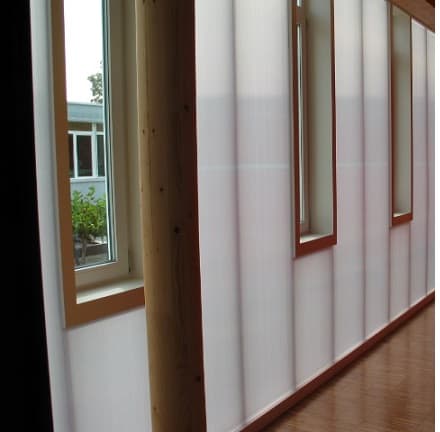 The Importance of Dry Insulation
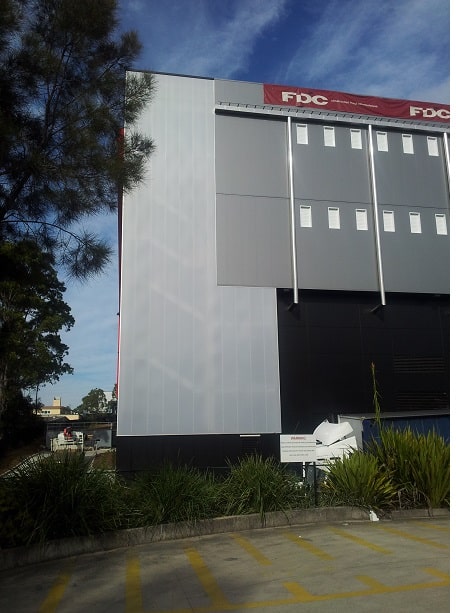 Danpal wall cladding is designed with an air gap which provides natural ventilation that uses a convective motion to keep the insulation dry. Because of our double-notching and connector-bound Microcell polycarbonate sheets, which are lighter in weight that traditional rainscreen cladding, create a shield against the external rain so that moisture cannot penetrate. Protecting your insulation is the first step in taking the precautions that are vital for the long life of your building.
 We hope this information will encourage more people to try our products this year. At the end of the day, if people plan to build a new construct or replace cladding, they need to choose a premium solution.
 In the past, wall cladding often did not have to consider the insulation effects that were seen due to loose regulations, but in recent times this has become a massive issue as people are conferenced about having structures that are energy efficient. If a building is energy efficient, heat can be maximized while energy costs minimized. It’s a win-win situation.
 The
The  Our light but solid
  Suppose you did not use rainscreen cladding on the exterior of a building. In that case, those materials that are porous and have been used in the construction process will be exposed to negative weather conditions which will greatly accelerate the deterioration process of the structure.
 Porosity is the ratio of the volume of the voids (openings) with the total volume of the material. Basically what this ratio represents is the storage capacity that the material has.
 The decision on what type of
 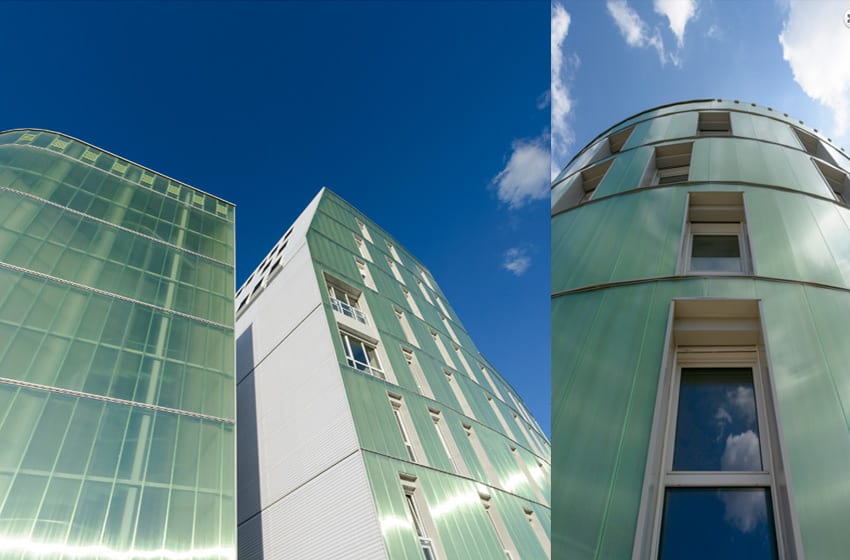 Danpal and Their Wall Cladding System